

The Mythical Doctrines of the Separation of Powers and Judicial Independence
The separation of powers doctrine is widely praised as a cornerstone of our system of democratic constitutional government. Yet it is more often than not recognized in breach than for its observance of the doctrine. This has attracted serious and recurring criticisms from scholars, politicians, and jurists across the ideological spectrum, because a growing number of judges pay scant regard to legislation and make up their own rules and decisions to satisfy media driven public demand for decisions that favour ‘the squeakiest sounding wheel in the wagon’.
In Australia, the judiciary prides itself on independence, with judges insulated from direct political interference through secure tenure and ethical codes. However, media, traditional outlets, social platforms, and ‘investigative journalism’, exerts subtle yet profound influence “behind the scenes” by shaping public narratives, amplifying biases, and fostering “media trials” that precondition societal expectations before verdicts.
This practice unchecked can erode judicial impartiality indirectly: judges, while not swayed overtly, operate in a cultural milieu where public outrage or elite commentary (e.g., from Murdoch-owned outlets and the ABC) risks perceptions of capitulation to populist pressures.
Critics argue this leads to “irrational” decisions, those prioritizing narrative coherence over strict evidentiary rigor, or appearing politically expedient amid media storms. High-profile cases like the Brittany Higgins saga illustrate this, where #MeToo-era coverage intertwined with political scandals, turning courts into battlegrounds for cultural wars. Reforms, such as stronger public interest defenses in defamation law, are urged to mitigate this, but progress lags.
Protections Against Perjury and Incentives for Witnesses
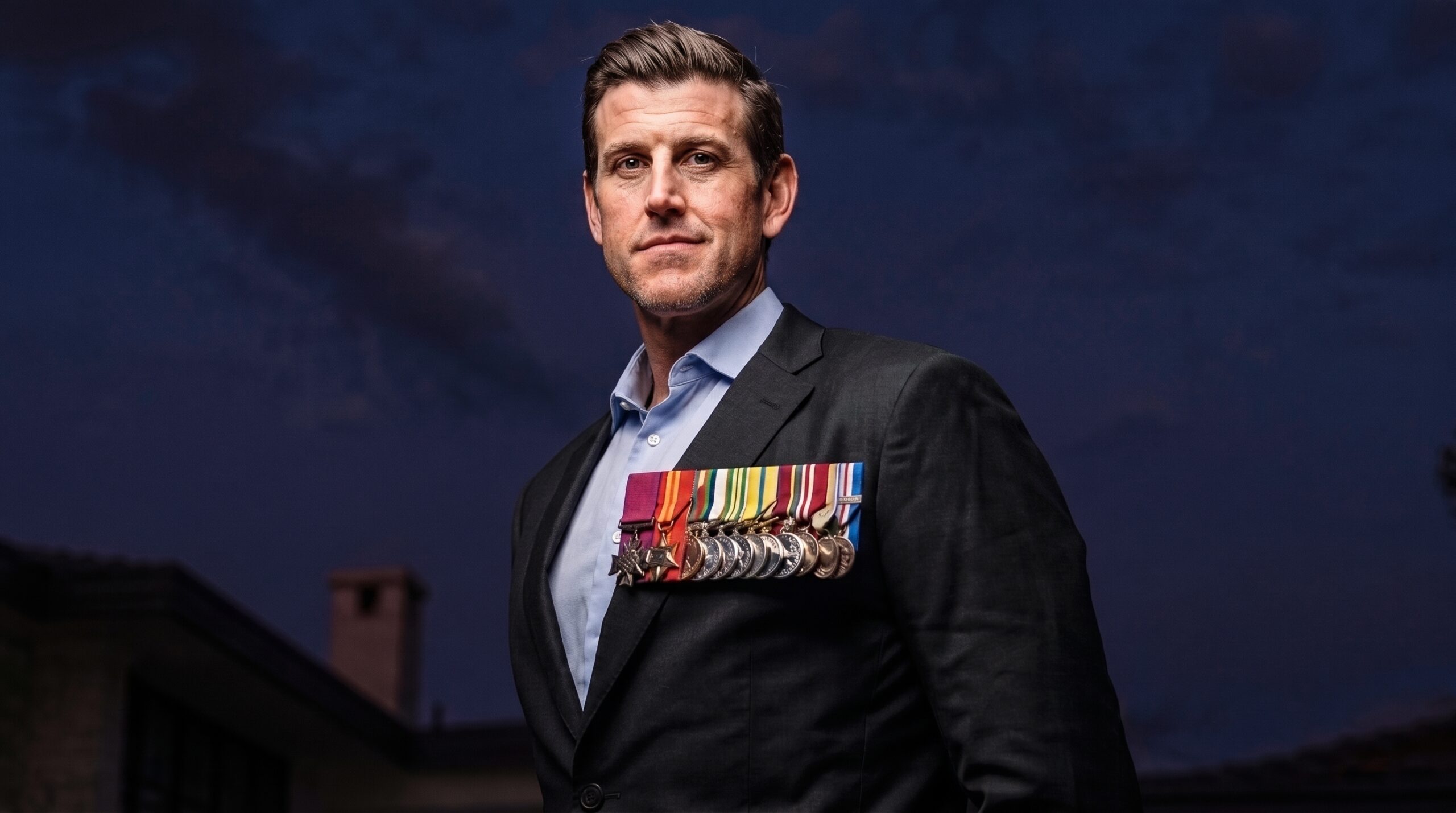
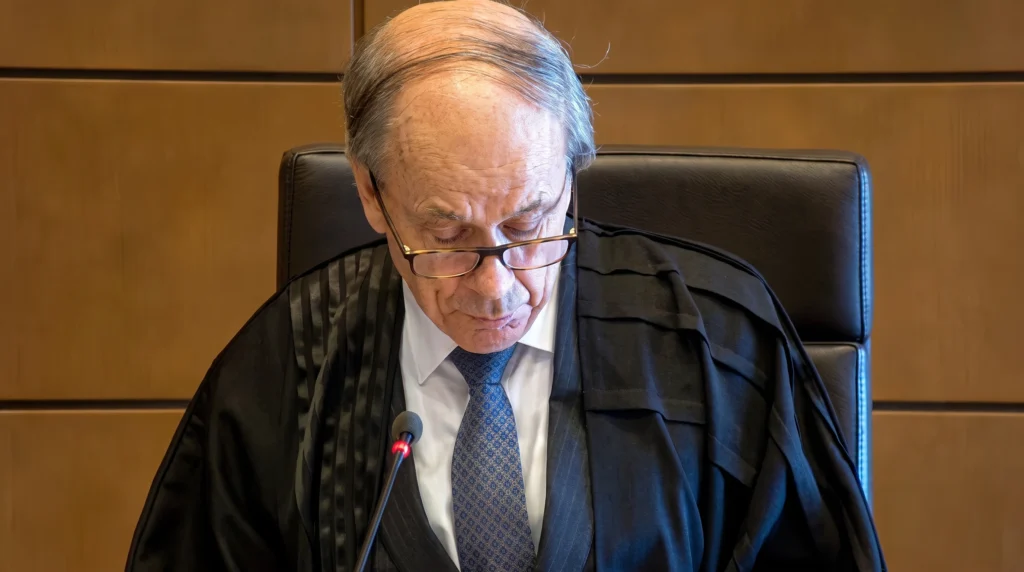
The 2023 Federal Court judgment by Justice Anthony Besanko in Roberts-Smith v Fairfax Media Publications Pty Limited [2023] FCA 555, upheld unanimously on appeal in 2025, found the defamation imputations against Ben Roberts-Smith (BRS) substantially true on the civil “balance of probabilities” standard, effectively branding him a war criminal in three incidents without a criminal conviction. While the ruling has been praised for upholding journalistic accountability and exposing alleged SAS misconduct, it has drawn sharp criticism for procedural flaws, evidentiary weaknesses, and an underlying activist agenda that prioritized narrative over due process. This critique focuses on the protections (or lack thereof) against perjury for witnesses, the activist inflection of the trial and judgment, and broader concerns about using civil defamation as a “proxy” for criminal prosecution. These elements, critics argue, tainted the outcome, eroding the presumption of innocence and turning a reputation dispute into a de facto war crimes inquisition.
A core pillar of the judgment was the testimony of approximately 20 SAS witnesses, deemed “honest and reliable” by Besanko despite inconsistencies and potential biases. However, the trial’s intersection with the Office of the Special Investigator (OSI), established post-‘Brereton Report’ (2020) to probe Afghanistan war crimes, introduced significant asymmetries that undermined witness credibility without robust safeguards.
No Formal Immunity from Perjury: Witnesses testified under oath in open court, subject to standard perjury penalties under the Crimes Act 1914 (Cth) (up to 5 years imprisonment). Certificates of immunity granted by Besanko protected against self-incrimination in OSI criminal proceedings but explicitly excluded perjury, as confirmed during the trial. This was tested when a key Nine witness (“Person 7”) was recalled and cross-examined over alleged lies about a domestic incident, highlighting perjury risks. Critics, including BRS’s legal team, argued this created a chilling effect: witnesses feared OSI repercussions for silence but gambled on “truth” defenses without full jeopardy.
Incentives and “Sword and Shield” Dynamics: Many witnesses received OSI use/immunity deals for compelled evidence, insulating prior statements from criminal use but not erasing motives to align narratives with investigators or media (e.g., book deals like Chris Masters’ ‘No Front Line’). BRS’s appeal contended Besanko failed to weigh these incentives adequately, treating OSI “overlaps” as corroborative rather than coercive. For instance, patrol commander “Person 4” testified to the Whiskey 108 execution but admitted post-event discussions with media, raising contamination risks. Without criminal-grade cross-examination (e.g., no polygraphs or independent forensics), the judgment relied on “cumulative consistency” among potentially incentivized accounts, ignoring how OSI pressure could fabricate a “code of silence” reversal. This echoes broader critiques: in high-stakes inquiries, partial immunities foster “race to the bottom” testimonies, where witnesses curry favor to avoid prosecution, perverting truth-seeking.
Overall, while perjury exposure existed on paper, the OSI’s shadow loomed large, creating de facto protections for aligned witnesses and exposing evidentiary flaws. Besanko’s crediting of these testimonies over BRS’s (deemed “glaringly improbable”) amplified this, as the appeal court noted but dismissed concerns over presumption of innocence weighting.
The Activist Nature of the Trial and Judgment
The proceedings, dubbed the “trial of the century,” were infused with activism from inception, transforming a private defamation suit into a public spectacle on military ethics, media freedom, and national reckoning with Afghanistan. Critics portray it as less a neutral inquiry than a vehicle for progressive agendas, anti-militarism, journalistic heroism, and “speaking truth to power”, orchestrated by outlets like Nine Entertainment (The Age, SMH and the ABC) and fueled by Brereton’s systemic indictments.
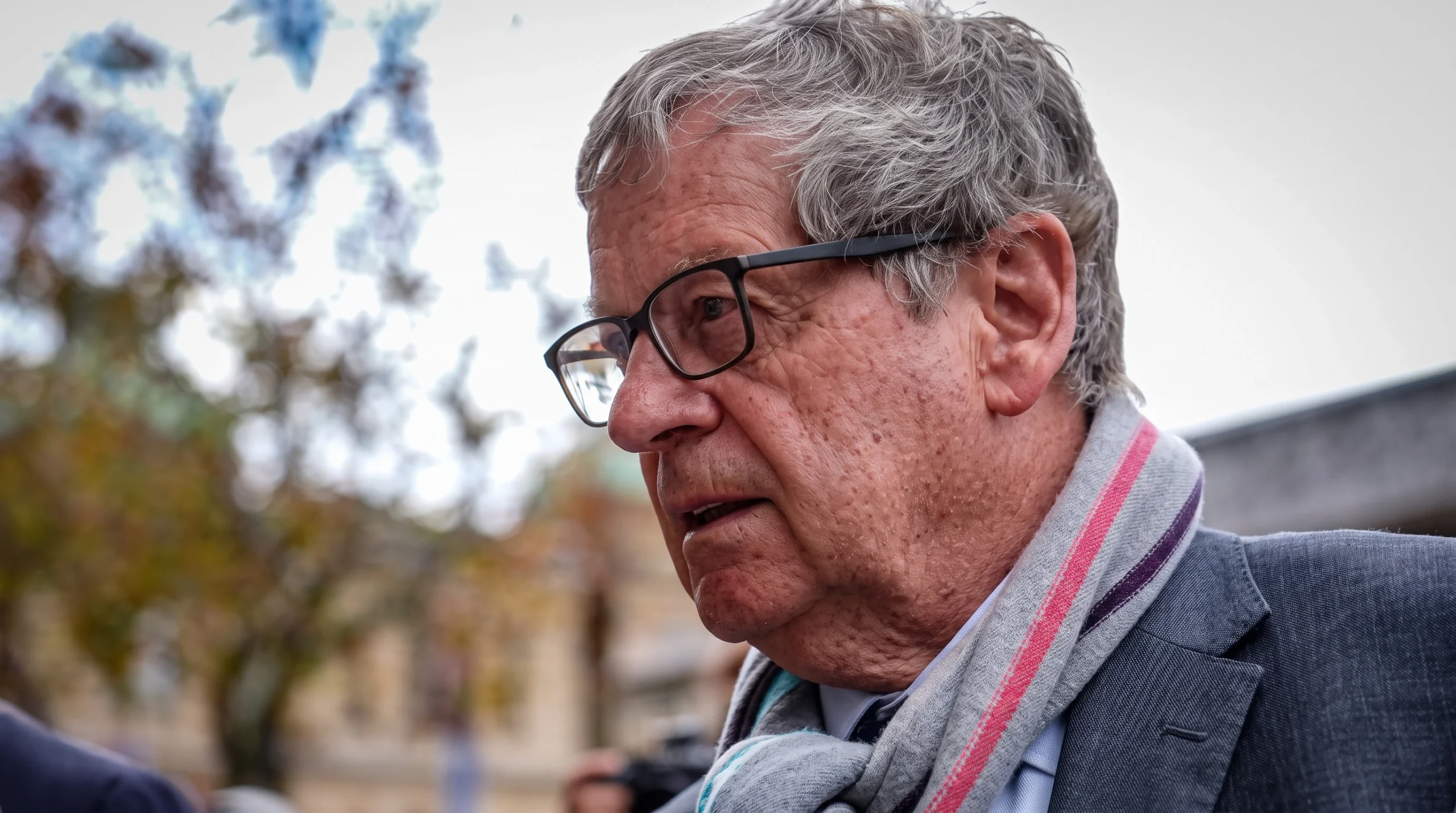
Media and Journalistic Activism: The 2018 reports by Nick McKenzie and Chris Masters (Masters-pictured above) were framed as whistleblowing triumphs, with headlines like “The crimes of Ben Roberts-Smith, VC” preempting due process. Trial coverage amplified this, portraying BRS as a fallen idol emblematic of SAS “toxicity.” Supporters like the Centre for Public Interest Journalism hailed the verdict as vindication, but detractors decried “trial by media,” where anonymous leaks and secret recordings (admitted but deemed irrelevant) biased the jury pool. BRS’s funding by Gina Rinehart added a counter-narrative of elite vendettas, but the media’s public-interest defense shielded activism under truth claims.
Judicial Activism and Bias Perceptions: Besanko’s 316-page ruling was meticulous but activist-tinged, launching “scathing” attacks on BRS’s character (e.g., labeling threat letters “may amount to a crime”) while downplaying contextual chaos of Taliban raids.
In 2023, Besanko recused himself from OSI evidence review due to “bias perception” from the trial’s overlap, admitting a “fair-minded observer” might see partiality. Appeals argued this self-acknowledged taint invalidated findings, as Besanko’s “sterling” witness endorsements ignored rivalries or PTSD-induced recollections. Conservative outlets like Sky News and veteran groups labeled it a “witch-hunt,” eroding trust in judicial neutrality and patronizing soldiers by presuming guilt in asymmetric warfare.
This activism skewed outcomes: the civil standard (51% probability) became a backdoor for Brereton’s unproven allegations, bypassing military courts-martial’s expertise on rules of engagement. As of December 2025, no OSI charges have materialized, underscoring the judgment’s punitive overreach, BRS faces $25M+ costs and reputational ruin without criminal accountability.
Flaws in the Evidence, Revisited
Building on prior analysis, the evidence’s fragility is exacerbated by these factors: Afghan witness inconsistencies (e.g., Ali Jan’s age varying 40-70 years) were excused as “trauma,” while SAS accounts ignored operational fog (night raids, faulty intel). No ballistics, video, or neutral corroboration existed; staging claims rested on hearsay. Per OSI incentives and media priming, witnesses had “motives to lie” unscrutinized, per BRS’s appeal. In a criminal venue, such gaps might collapse; here, they sufficed for “overwhelming” proof, critiqued as hindsight activism over battlefield reality.
Parallels to Other Activist Trials Shifting Criminal Charges to Civil Jurisdiction
The BRS case exemplifies “proxy war crimes trials,” where civil defamation sidesteps criminal hurdles (e.g., statutes of limitations, immunity complexities) to achieve stigmatizing outcomes akin to convictions. Defamation’s lower burdens and public narratives enable activists (media, NGOs) to litigate moral culpability, often with “criminally tainted” results—reputational destruction without incarceration. A stark parallel is Irving v Penguin Books Ltd & Lipstadt [2000] EWHC QB 115 (UK), a 2000 High Court defamation trial reframed as a de facto prosecution for Holocaust denial, a form of historical war crimes apologism.
Reverse Engineering the Law
In both, civil mechanics (truth defenses, costs) weaponized activism to “secure” criminal-like judgments, Irving lost on falsity, mirroring BRS’s credibility implosion, highlighting how such shifts prioritize societal catharsis over procedural purity. Other echoes include the Sandy Hook families’ civil suits against Alex Jones (2022), proxying conspiracy incitement (facilitating crimes) via defamation, with $1.5B damages as “tainted” punishment. These cases underscore a trend: when criminal paths falter, activists leverage civil law for moral verdicts, often at due process’s expense.
Christopher Edwin Davis and Davina Chong
